Teaching Puppies Independence: How to Create a “Disneyland” of Enrichment
Raising a puppy can feel like having a furry toddler — they want to be with you all the time. While their need for closeness is natural, teaching puppies how to enjoy alone time is one of the most valuable life skills you can give them.
Enter the “Disneyland” setup — a positively packed puppy pen (or safe zone) that turns solo time into a fun and rewarding experience. By filling this space with engaging, high-value enrichment activities, you help your pup build confidence and learn that being alone can be awesome.
Here’s how to do it, step-by-step.
Why Independence Training Matters
Teaching your puppy to be content when alone helps:
Prevent separation anxiety
Build self-soothing skills
Encourage focus and confidence
Make crate or pen time feel like a reward, not a punishment
The goal isn’t to force separation — it’s to gradually teach your puppy that good things happen when they’re on their own.
What is a Puppy “Disneyland” Setup?
Think of it as an enrichment party just for your pup. A “Disneyland” zone is a puppy-safe pen or area filled with a variety of engaging, positive activities that keep your puppy occupied in your absence — whether it’s for 5 minutes or 45.
This setup can be used while you’re in another room, working from home, or stepping out for a short time.
Step 1: Choose the Right Space
Pick a safe, confined area like:
A sturdy playpen
A puppy-proofed room
A crate with an attached pen for more space
Make sure it’s:
Away from busy foot traffic
Free of hazards (wires, breakables, toxic plants)
Comfortable, with a cozy bed or crate, water, and non-slip flooring
Step 2: Build the Disneyland Experience
Now for the fun part — the enrichment!
Here’s what to include for variety, engagement, and positive association:
🧠 1. Puzzle Toys & Food Dispensers
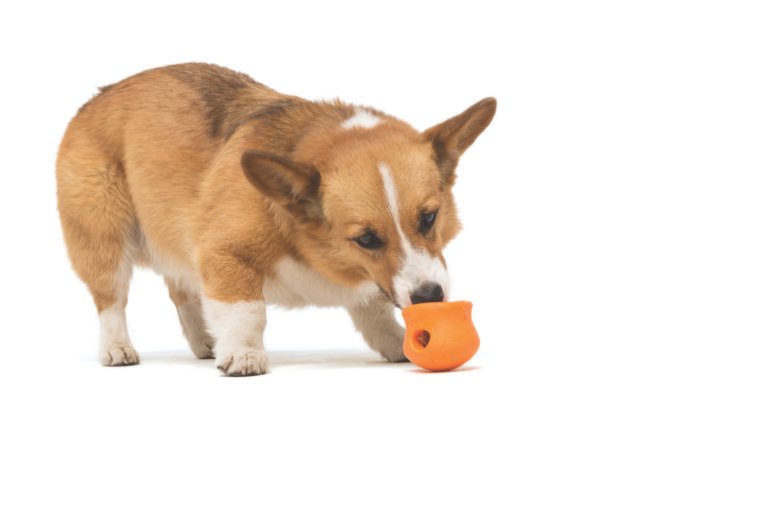
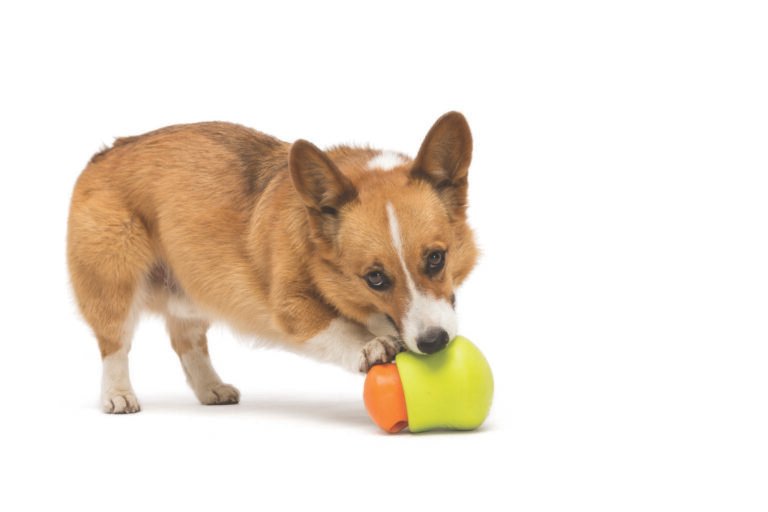
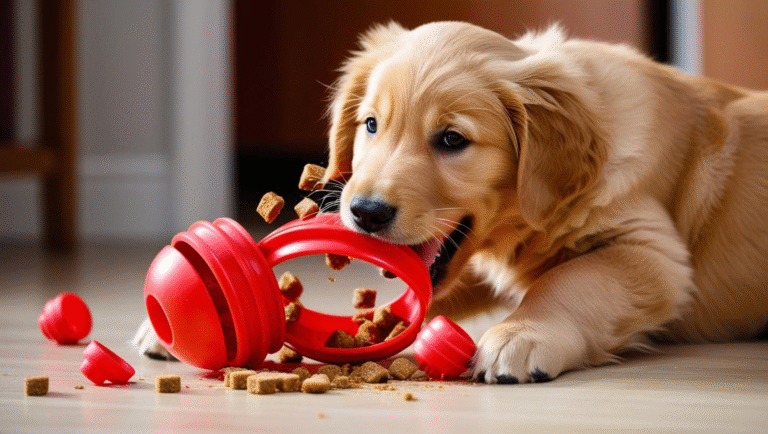
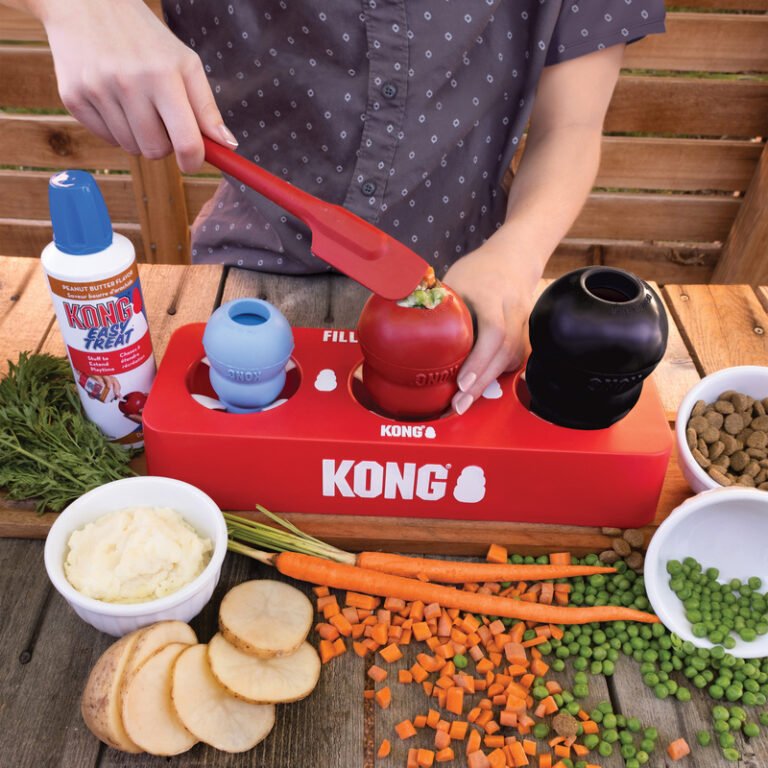
Stuffed KONGs, Toppls, or similar toys filled with meals or treats
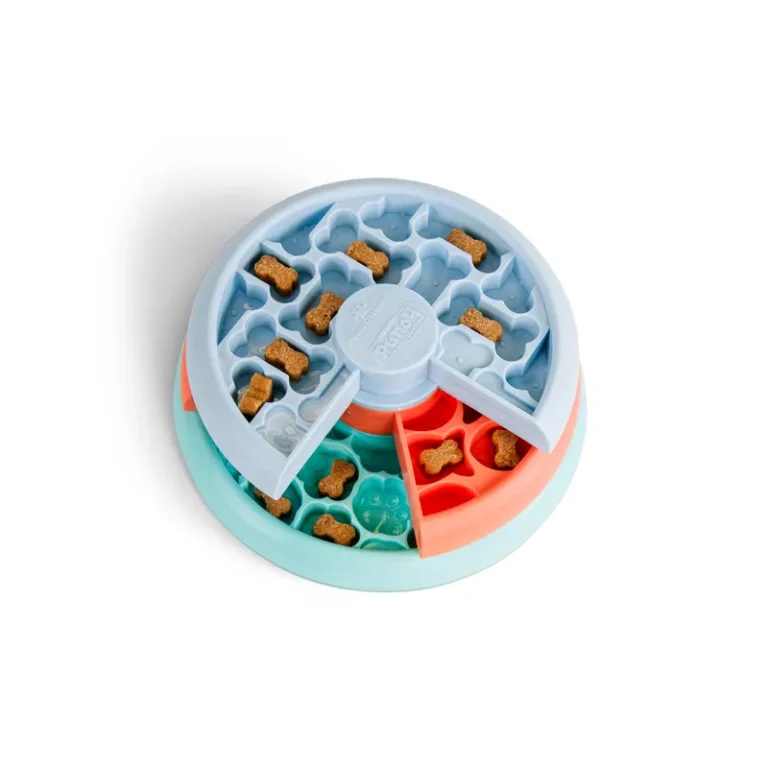
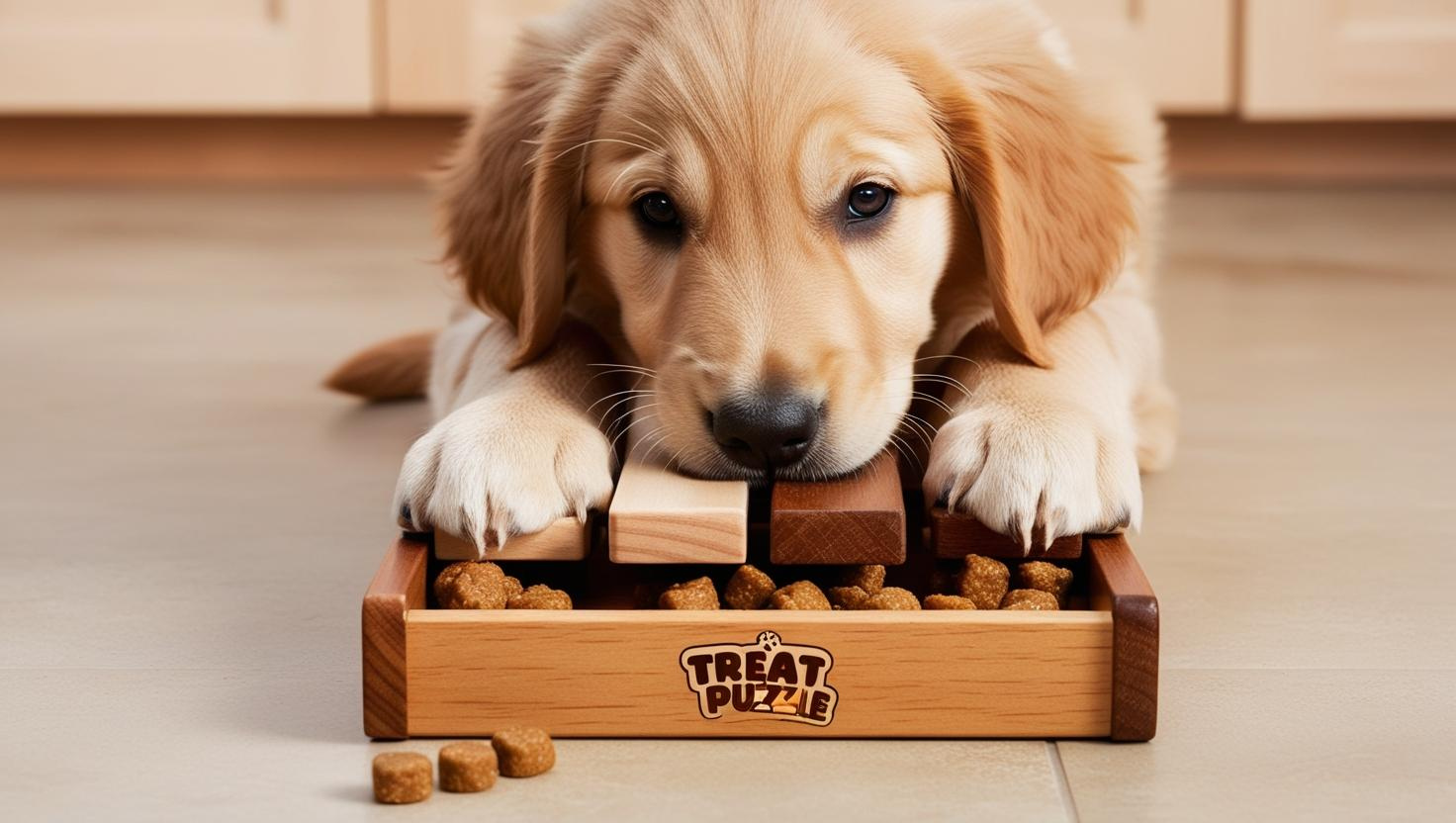
Puzzle feeders with kibble or freeze-dried treats
Snuffle mats to encourage natural foraging behavior
Pro Tip: Freeze toys ahead of time to make them last longer.
🦴 2. Long-Lasting Chews
Dehydrated or freeze-dried treats (chicken hearts, tendons, lamb ears)
Puppy-safe dental chews or chew sticks
Frozen carrots or soaked braided rope toys for teething relief
Always supervise with new chews first to ensure safety.
🧸 3. Soft Toys & Comfort Items
A favourite plush toy or blanket that smells like you
A heartbeat puppy toy or a warmed rice sock for comfort
These items help soothe puppies and reduce the stress of separation.
🎾 4. Interactive Options
Rotate toys daily to keep things novel and engaging:
Scent games (hide a treat in a rolled towel)
DIY treat bottles or muffin tin games
Ball pits or crinkle mats for sensory exploration
Step 3: Make It a Routine
Start slow and build up independence with short, positive sessions.
Daily Practice Plan:
Set up the Disneyland zone while your puppy watches.
Guide them inside and offer an easy treat toy.
Step away calmly for 2–5 minutes. Don’t sneak or make a big fuss.
Return before they get upset. Gradually increase the time.
The key is to return while they’re calm, so they associate your absence with fun — not stress.
Step 4: Be Consistent and Flexible
Rotate activities and change things up often so it stays exciting. You don’t need to use the full Disneyland setup every time — sometimes a single frozen KONG is enough. The goal is to teach your pup that their alone time is filled with predictable, positive experiences.
Final Tips for Success
✅ Use high-value rewards only during solo time — this makes it special
✅ Avoid using the zone only when you’re leaving the house
✅ Keep exits and returns low-key to reduce dependency
✅ Praise calm, relaxed behaviour when you return
Building Confidence, One Session at a Time
Teaching puppies independence doesn’t have to be stressful — for them or for you. With a Disneyland-style setup and gentle, positive training, your puppy can learn that being alone isn’t scary — it’s actually something to look forward to.
Remember: confidence is built through consistency, enrichment, and trust. A little daily practice now lays the foundation for a happier, more emotionally balanced adult dog.