
How Puzzle Toys Can Help Anxious Dogs Feel Calmer and More Confident
Anxiety in dogs can show up in many forms – restlessness, excessive barking, trembling, destructive chewing, or hiding. Whether it’s caused by separation, loud noises, changes in routine, or past trauma, anxiety can seriously impact your dog’s well-being.
One simple but powerful tool that can help reduce anxiety and support emotional balance? Puzzle toys.
Far from being just a fun distraction, puzzle toys offer mentally enriching, confidence-building experiences that help dogs redirect their nervous energy and feel more in control. Here’s how you can use them to support your anxious pup.
Why Puzzle Toys Work for Anxious Dogs
1. They Provide Focus and Mental Stimulation
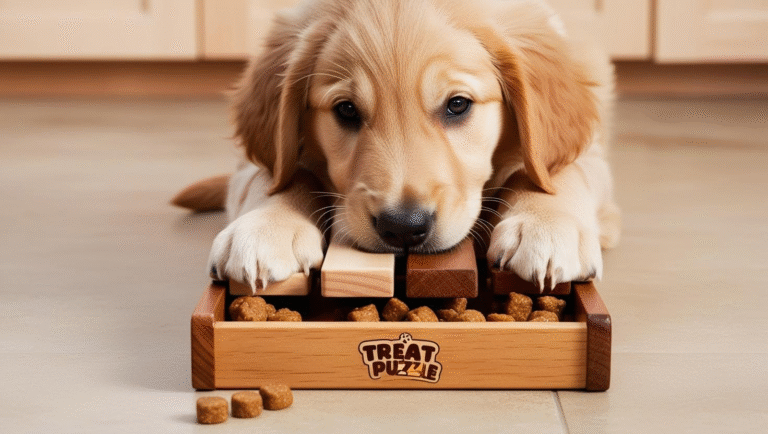
Anxiety thrives on uncertainty and a lack of purpose. Puzzle toys give your dog a specific, rewarding job to focus on. Whether they’re nudging a treat ball, sniffing through a snuffle mat, or licking food from a toy, their brain shifts from fear mode to task mode.
2. They Help Regulate Emotions
Engaging in sniffing, licking, and gentle problem-solving helps release feel-good hormones like dopamine and serotonin—chemicals that naturally reduce stress and promote calm.
3. They Create Positive Associations
If your dog gets anxious in certain situations (like hearing fireworks, being alone, or meeting new people), puzzle toys can be used to associate those triggers with something positive and safe.
4. They Build Confidence
Every time your dog successfully solves a puzzle or earns a treat, they experience a small win. These repeated successes can help anxious dogs feel more capable and secure in their environment.
Choosing the Right Puzzle Toy for an Anxious Dog
Not all puzzle toys are created equal, especially for dogs who are easily overwhelmed. For anxious dogs, the goal is calming engagement, not overstimulation.
Ideal toy types include:
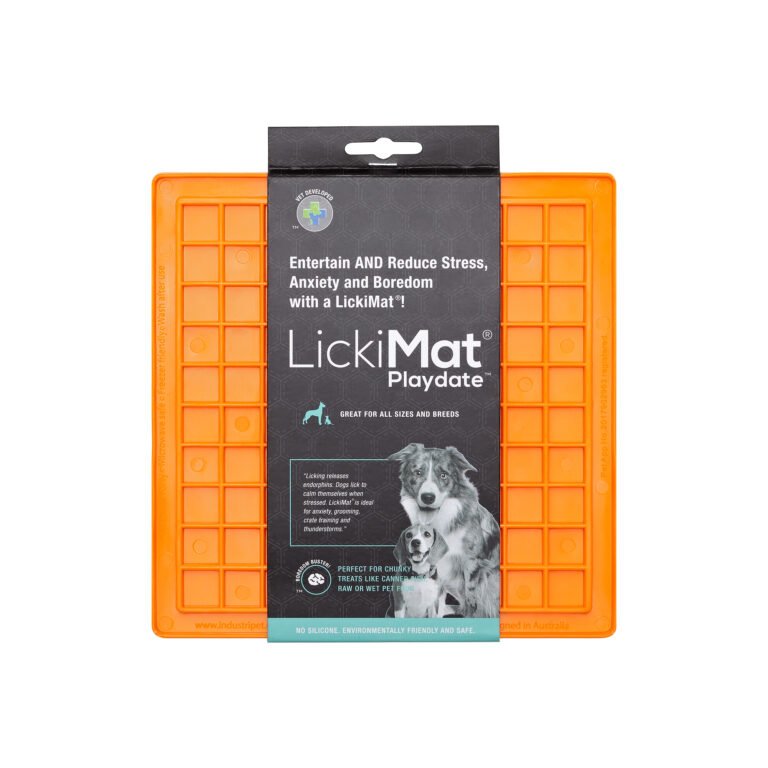
- Lick mats: Great for spreading soft food like peanut butter, yogurt, or pumpkin. Licking is soothing and helps regulate breathing.
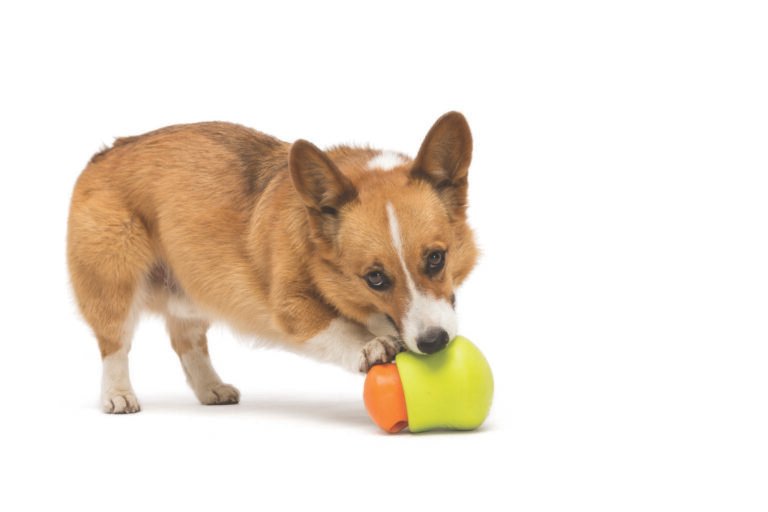
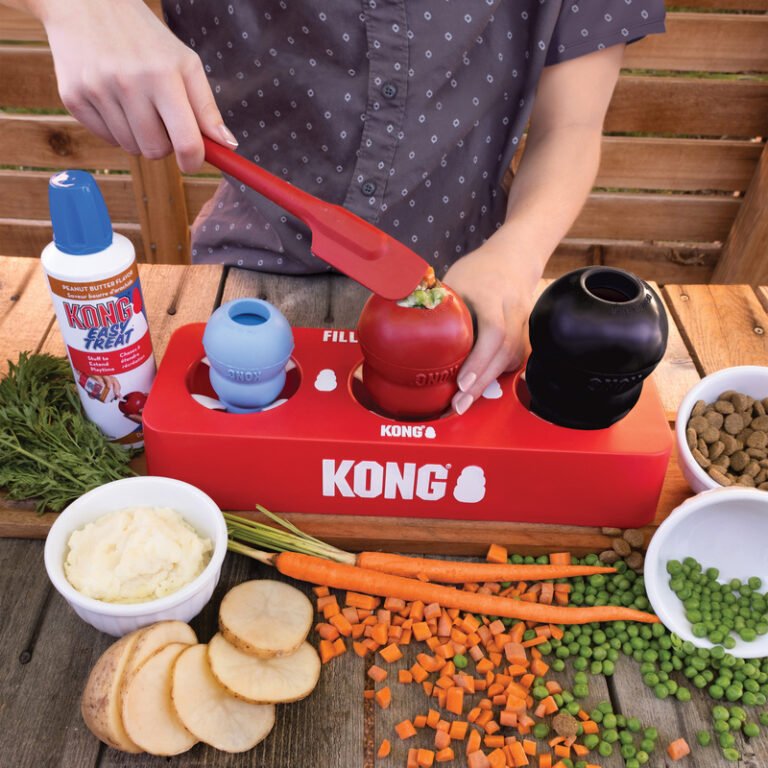
- Stuffable toys (like KONGs): Fill with a mix of food and treats to encourage focused chewing and licking. Freeze for longer sessions.
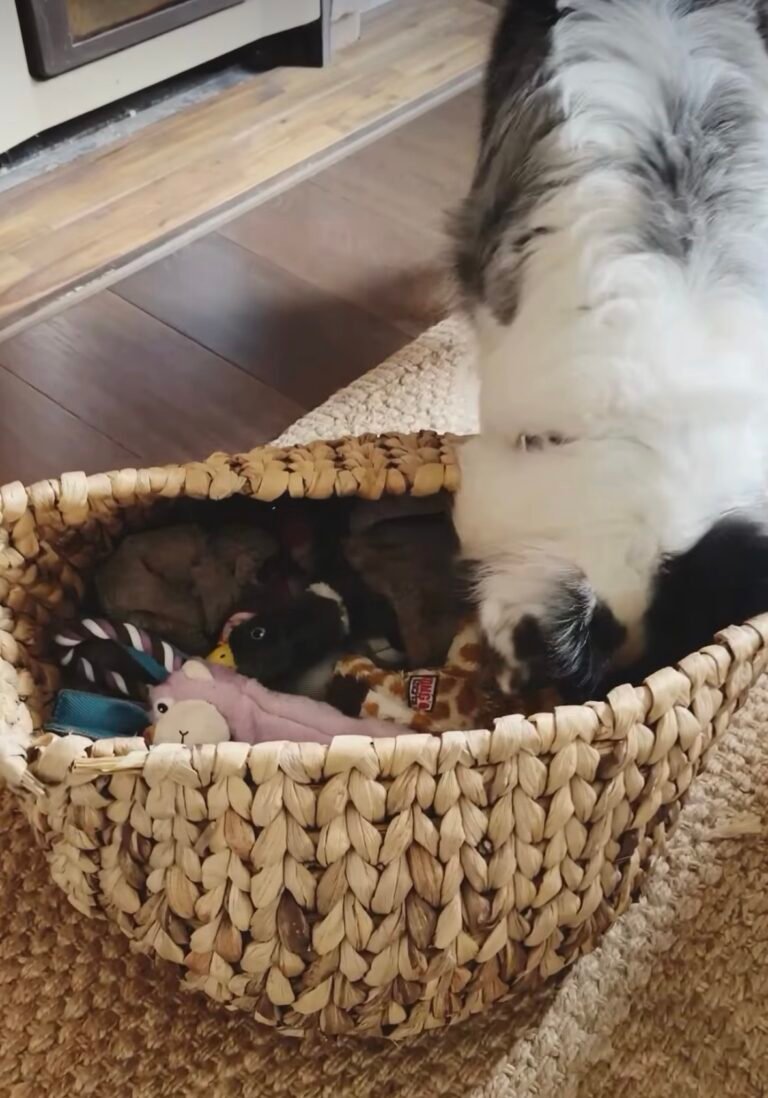
- Snuffle mats: Mimic natural foraging behaviour and encourage relaxed sniffing—one of the most calming activities for dogs.
- Slow feeders: Turn mealtime into a mentally engaging activity that prevents boredom and encourages calm focus.
Avoid:
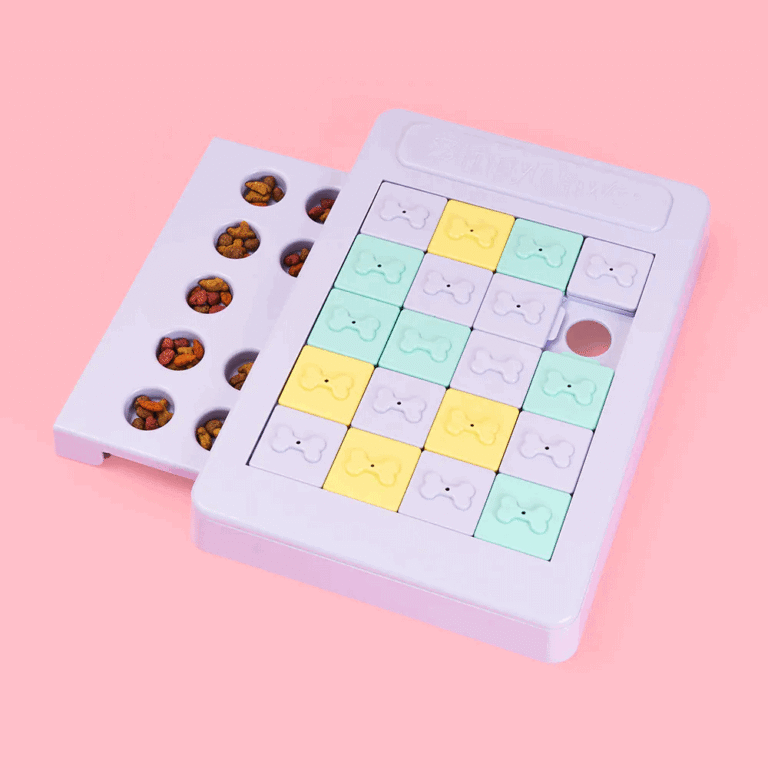
- Loud, clunky, or hard plastic puzzle toys for very anxious dogs
- Complex puzzles that may cause frustration if your dog is new to them
- Toys that roll unpredictably or make sudden sounds, which could add to anxiety
How to Use Puzzle Toys to Support Anxiety Relief
1. Start Simple and Safe
Introduce the toy in a quiet, familiar space. Use a very easy version at first so your dog can succeed quickly. This builds trust and prevents frustration.
2. Use High-Value Rewards
Choose treats your dog absolutely loves to increase motivation and create a strong positive association.
3. Pair with Triggers (Gently)
If your dog is afraid of specific things (like being alone or thunderstorms), start using puzzle toys before or during those moments—but only at a level that doesn’t overwhelm them. Over time, your dog may begin to associate the toy—and the act of relaxing—with those formerly scary situations.
4. Make It Routine
Build puzzle toys into your dog’s daily life. Use them at mealtimes, after walks, or during wind-down periods to help signal “relaxation time.”
5. Monitor and Adjust
Observe how your dog responds. If they give up easily, try making the puzzle easier. If they obsess or guard the toy, use it under supervision.
Real-World Scenarios
During Fireworks or Thunderstorms
Offer a frozen KONG just as the noise starts. The licking helps soothe nerves while keeping your dog distracted from the sounds.
For Separation Anxiety
Give your dog a snuffle mat or stuffed toy 10–15 minutes before you leave. This creates a positive ritual around your departure.
After a Stressful Event (like a vet visit)
Use a calming lick mat or slow feeder when you return home to help your dog settle down.
Final Thoughts
Puzzle toys are more than just fun—they’re a form of mental therapy for dogs. For anxious pups, they provide a safe outlet for energy, reduce nervous behaviours, and build emotional resilience through small, rewarding challenges.
If your dog struggles with anxiety, start simple, be consistent, and always pair puzzle play with patience and positivity. With time, your dog can learn to feel more confident, calm, and in control.
Want to Get Started?
Try rotating a few beginner-level puzzle toys and observe what your dog enjoys most. Keep sessions low-pressure and focus on fun over perfection. For many anxious dogs, puzzle play becomes one of the most grounding parts of their day.