How to Use Interactive Food Toys in Training: For Puppies, Anxious Dogs & Calm Behaviour
Training your dog doesn’t always have to look like sit-stay-fetch routines. In fact, some of the most powerful dog training tools aren’t leashes or clickers — they’re interactive food toys.
Whether you’re raising a puppy, helping a nervous rescue adjust, or teaching your dog to calm down in busy environments and exciting situations, puzzle toys and treat-dispensing feeders can do more than entertain — they can transform your dog’s behaviour from the inside out.
Here’s how you can use them strategically in training.
🐶 Why Use Food Toys in Training?
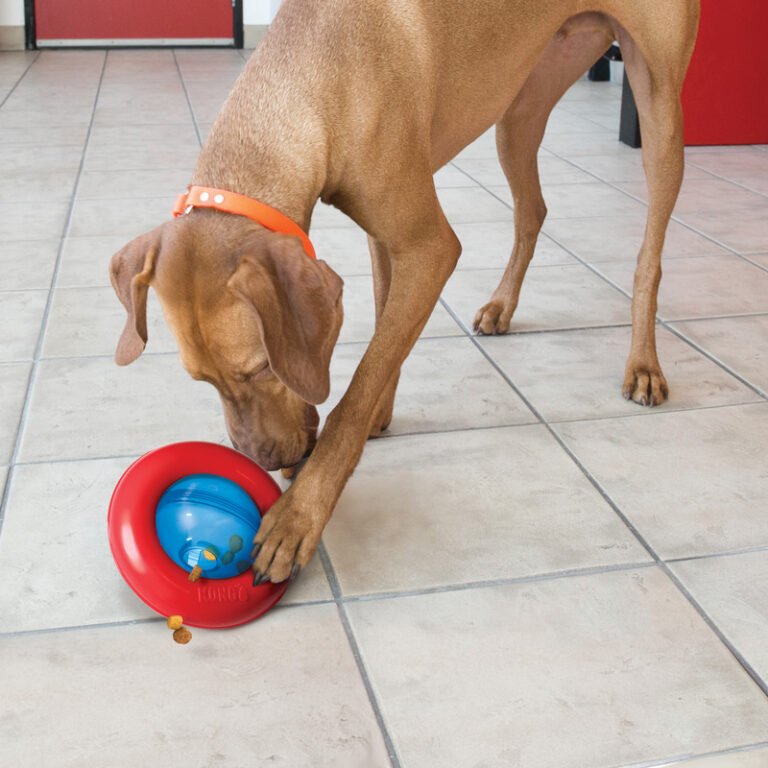
Interactive food toys are mentally stimulating, promote natural foraging behaviours, and slow down eating — but in training, they offer a powerful way to shape emotional states and reinforce calm focus.
You can use them to:
Build positive associations
Encourage settling and calmness
Teach independent play
Redirect reactivity or anxiety
Reduce boredom-related behaviours
🐾 1. Training Puppies with Food Toys
Puppies are little learning sponges. But they’re also busy, bitey, and prone to short attention spans. Here’s how food toys help:
✅ Build Frustration Tolerance
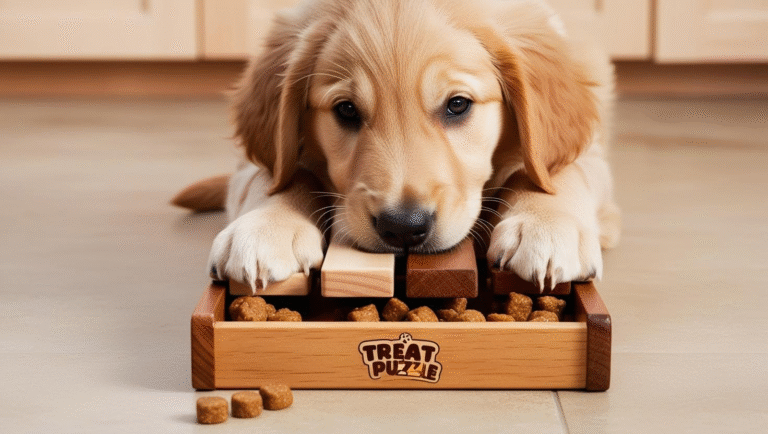
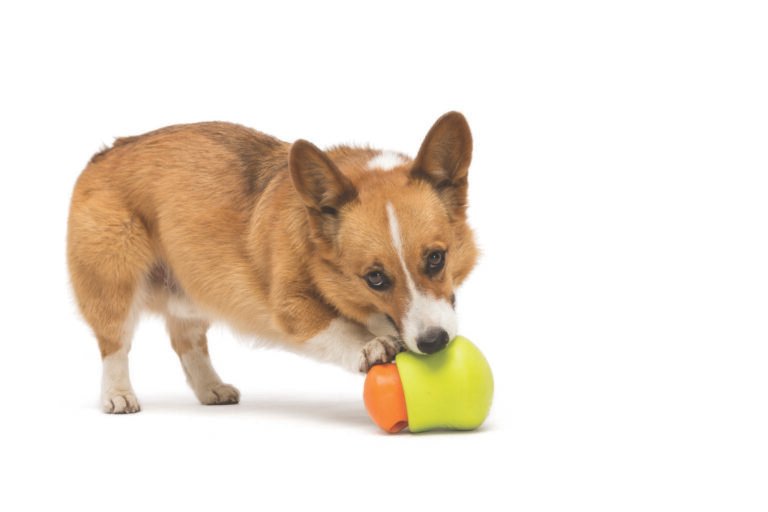
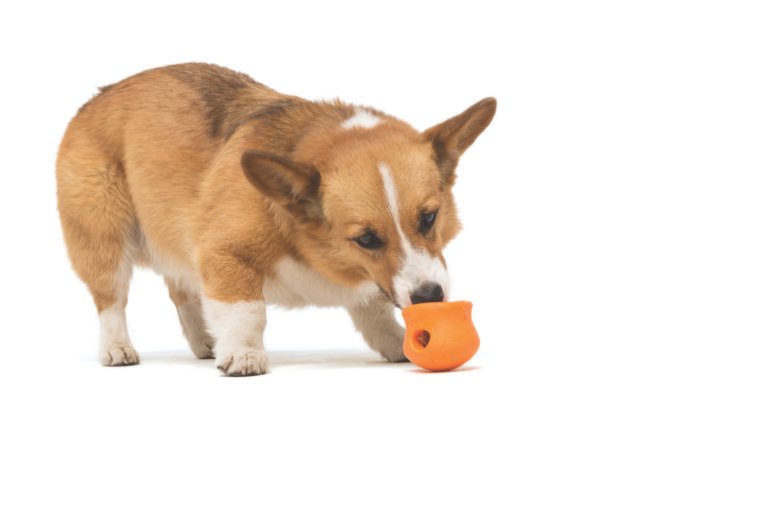
Start with an easy puzzle or treat ball. Let your puppy figure out how to get the food out. This teaches patience and persistence — two key traits for future learning.
✅ Redirect Chewing and Biting
Instead of chewing on furniture or your hands, encourage your puppy to interact with a chew-safe food toy. Stuff it with their meal or freeze it with peanut butter and kibble to make it last.
✅ Teach Settling on a Mat
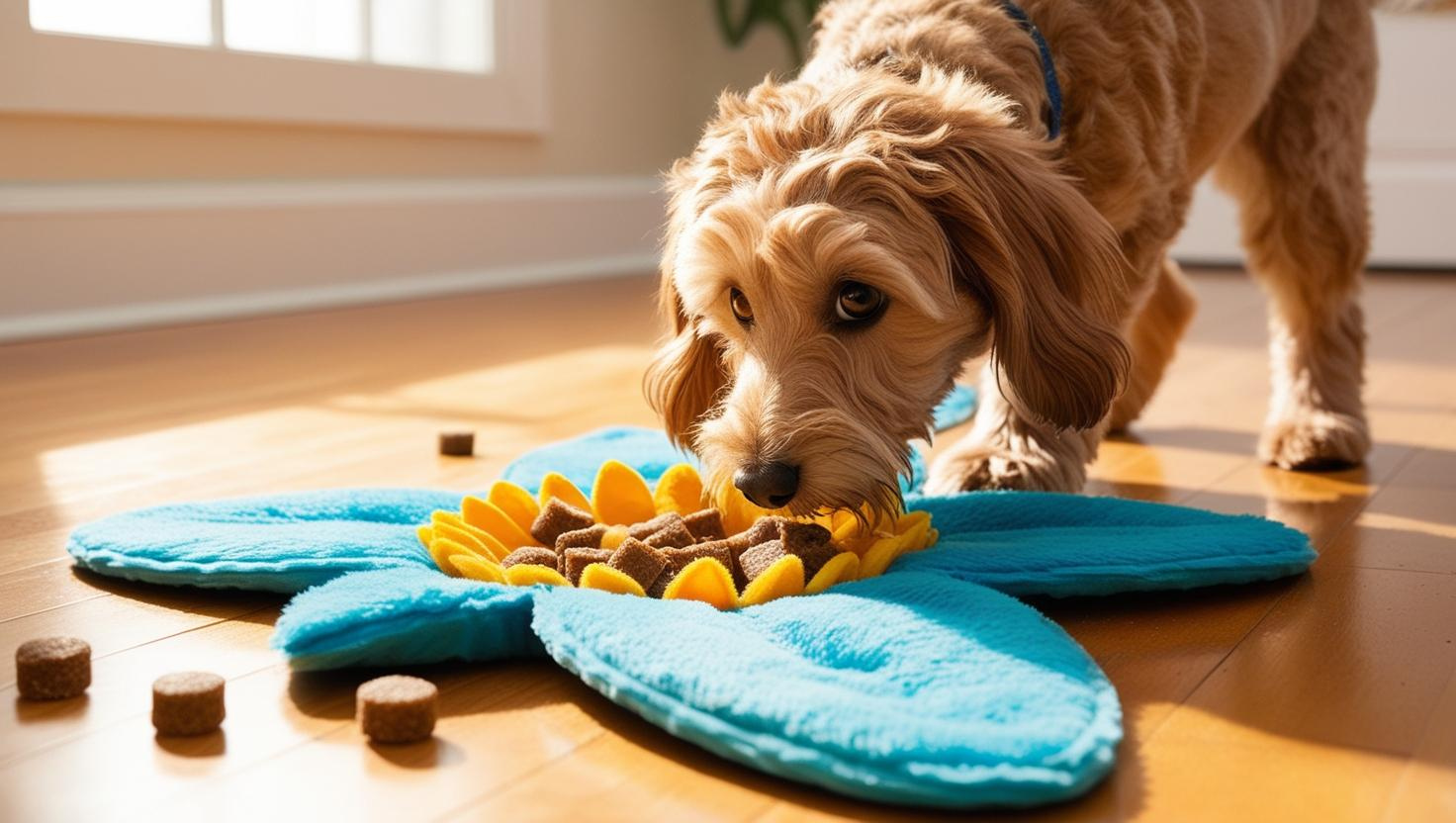
Use a snuffle mat or stuffed Kong on a designated “puppy mat.” Every time they settle with the toy, reward the calmness. Over time, they’ll learn that calm behaviour leads to rewards.
🧠 Pro tip: Use part of their daily meals in the toy so you’re not overfeeding — and every mealtime becomes a mini training session.
🧘♀️ 2. Using Food Toys to Encourage Calm Behaviour
If your dog struggles to settle, gets overexcited easily, or is always on the go, food toys can act as a calming ritual.
🔄 Replace Chaos with Routine
Give your dog a frozen Kong or puzzle toy during times of excitement — before guests arrive, after a walk, or in the evening to wind down. This encourages self-soothing and teaches them to relax independently.
🛏️ “Place” Training with Food Toys
Teach your dog to go to a specific bed or mat using a food toy. Every time they go to the spot, they get the toy. Over time, the place becomes a safe, rewarding space where calmness is reinforced.
🧠 Keep the Mind Busy = Body Still
Mental stimulation is just as tiring (and satisfying) as physical exercise. Ten minutes of problem-solving can leave your dog calmer than a 30-minute walk.
🐕🦺 3. Support for Anxious or Reactive Dogs
For dogs who are fearful, reactive, or nervous in new situations, food toys aren’t just enrichment — they’re therapeutic.
💞 Build Positive Associations
Bring a puzzle toy on walks, to the vet, or into new environments. Give it when your dog is calm and at a distance from triggers. Over time, they’ll associate new situations with good things — not fear.
🧩 Use as a Distraction Tool
In stressful moments (guests arriving, thunder, seeing another dog), redirect your dog to a food toy. This keeps their brain focused and engaged instead of reacting.
🧘 Support Crate or Alone Time Training
If your dog has separation anxiety or struggles being alone, give a long-lasting food toy when they go into their crate or stay home. It helps them form positive connections with being alone.
🧠 Choosing the Right Toy for Training
Different dogs and training goals need different types of enrichment:
| Dog Type | Recommended Toy | Why |
|---|---|---|
| Puppy | Soft treat balls, rubber Kongs | Easy to chew, beginner-friendly |
| High energy dog | Puzzle feeders, lick mats | Slows them down, encourages calm |
| Anxious/reactive | Snuffle mats, frozen Kongs | Soothing, easy wins, builds confidence |
| Advanced | Multi-step puzzles | Mental challenge for experienced dogs |
💬 Final Thoughts
Interactive food toys are far more than boredom busters — they’re tools for real behavioural change. Whether you’re working on calmness, confidence, focus, or simply trying to keep your puppy entertained without chaos, puzzle toys can be your secret weapon.
So next time your dog needs to settle, think less “sit-stay” and more “sniff, chew, lick, solve.”